
Monitoring report: Defamation laws still concern for Europe media
January 30th, 2018
 |
 |
 |
| Country | Type of Law | ||||
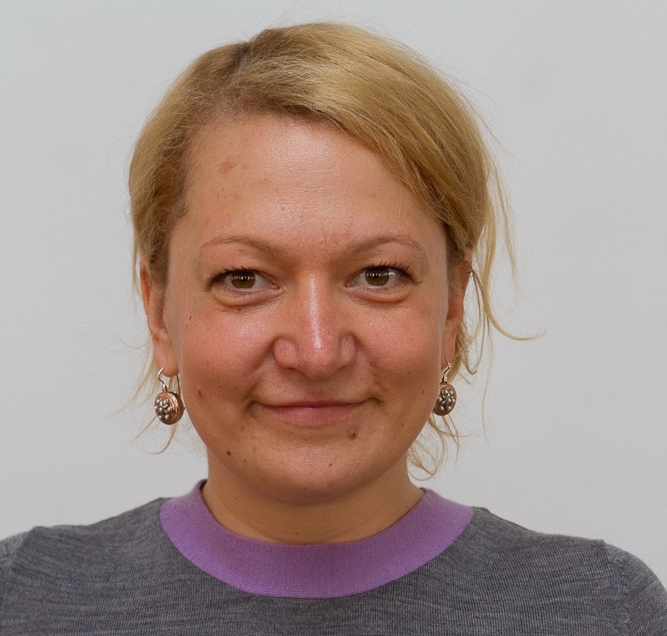
In 2009, Latvian journalist Gunta Sloga published an article about MEP Aleksandrs Mirskis that questioned his apparently distinguished military career. Mirskis took Gunta to court for defamation and after years of court proceedings, the case was finally dismissed in 2013. Now a commissioning editor with Latvian Television, Gunta tells us about the impact the case had on her and why the support she received from MLDI was so vital.
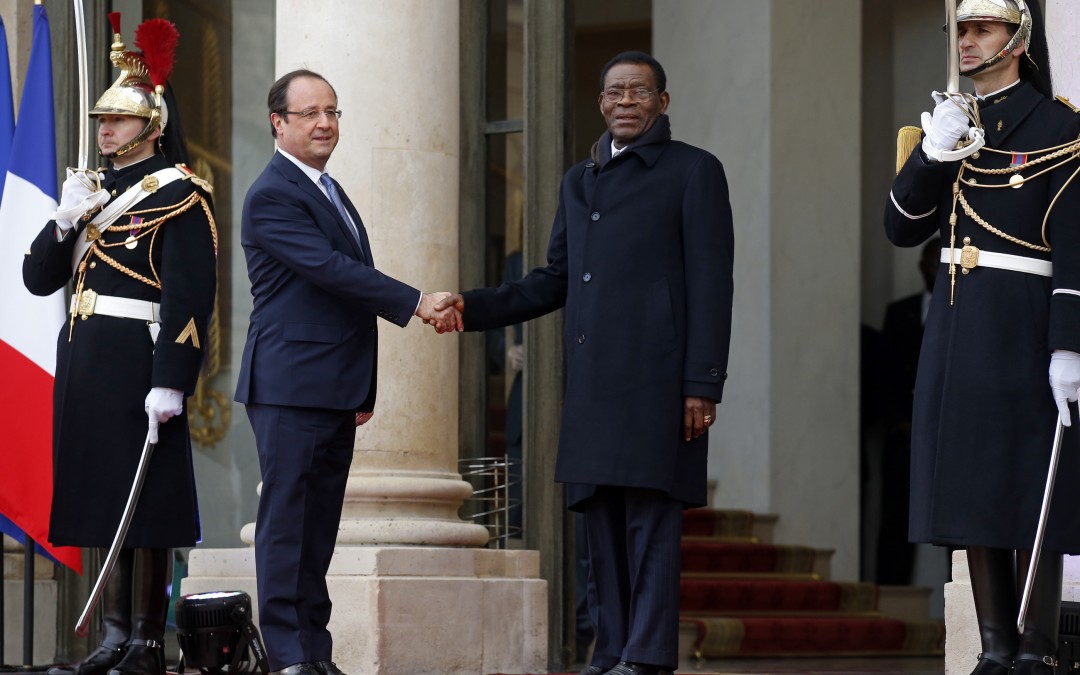
“Flabbergasting”. It was the only word one French police agent could find to describe the riches seized in a Feb. 2012 raid on an €80 million Paris apartment belonging to Teodorin Obiang (Jr.), son of Equatorial Guinea’s long-serving dictator. Millions (upon millions) of euros worth of wine, art, and furniture—all, according to the French NGOs that had been scrutinising the Obiangs for years, funded through embezzlement of the country’s oil wealth.
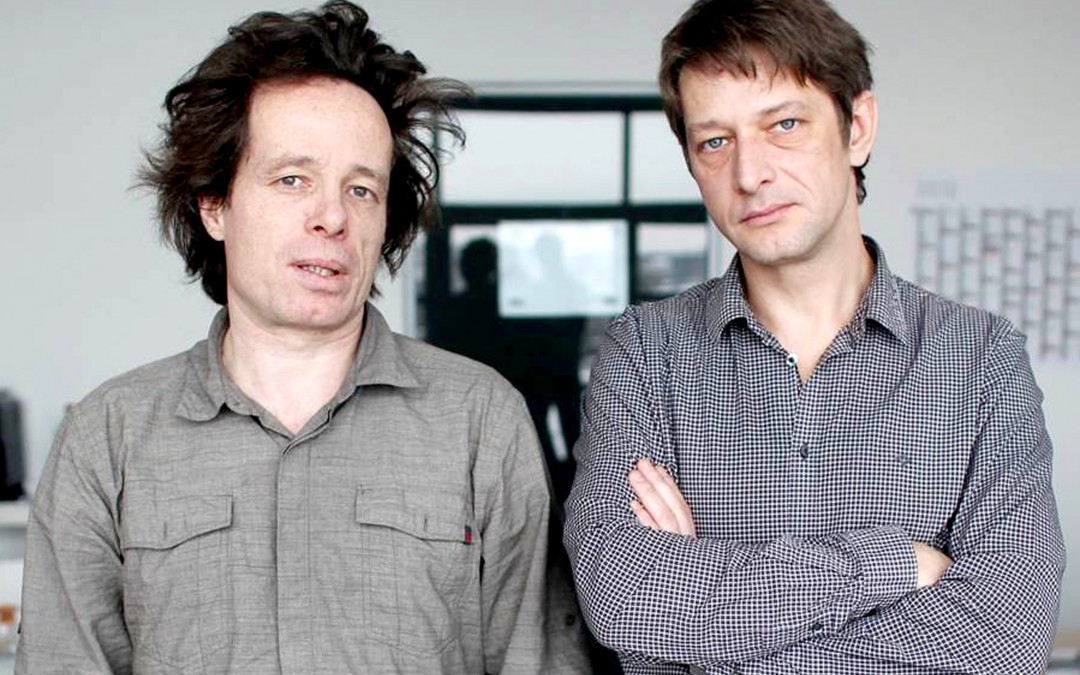
German freelance journalists Thomas Datt and Arndt Ginzel could have been forgiven for assuming that their 2010 criminal trial for defamation would end in an acquittal. The application of Germany’s criminal libel provisions to journalists, as commentators observed, was itself already so unusual that the possibility of an actual conviction must have seemed utterly inconceivable.
It was the kind of small-town political scandal that would scarcely raise an eyebrow in cities with bigger fish to fry. But when Jornal do Centro, a weekly newspaper in the central Portuguese town of Viseu, suggested in 2002 that a local courthouse’s donation of used furniture to charity was marred by favouritism, it apparently bit off more than it could chew.
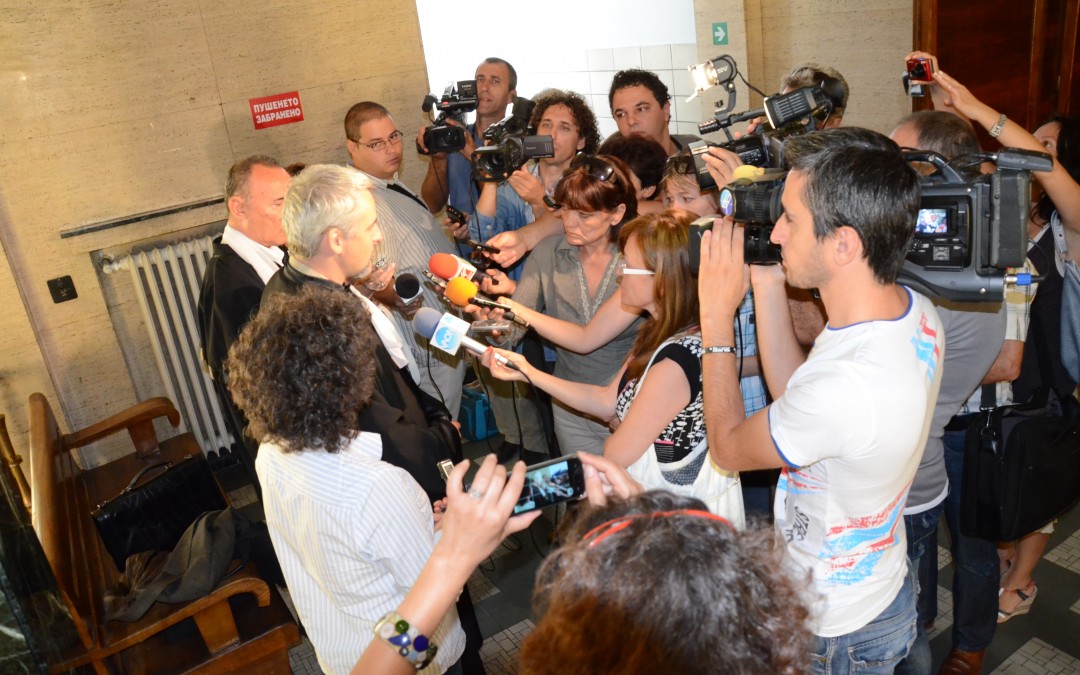
In June 2012, Asya Pencheva, a Bulgarian journalist working for the newspaper Utro, was charged with criminally defaming a local orphanage employee, Tsenka Blagoeva. The charges were related to a published story containing an interview with an orphanage employee who claimed that orphans had been abused. During the course of the interview Blagoeva’s name was mentioned.
January 30th, 2018